Fort Worth Plumbing Services

FAQ

Consistent plumbing care for residential and commercial properties from Fort Worth Plumber TX. Connect with our local team for quality service and hassle-free scheduling.
Professional Fort Worth plumber ready to provide plumbing repair service
Open Seven Days Convenient Scheduling
Upfront Pricing Free Estimate
Fast Scheduling Same-Day Service
Professional Workmanship Experienced Technicians
Frequently Asked Questions

Fort Worth Plumbing and Home Service Questions

Find helpful answers about plumbing repairs, drains, water heaters, leaks, sewer lines, toilets, repiping and common home concerns in Fort Worth, Texas.
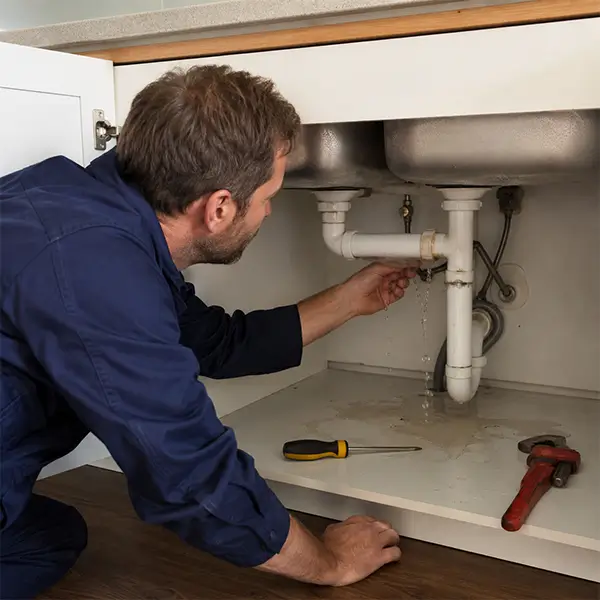
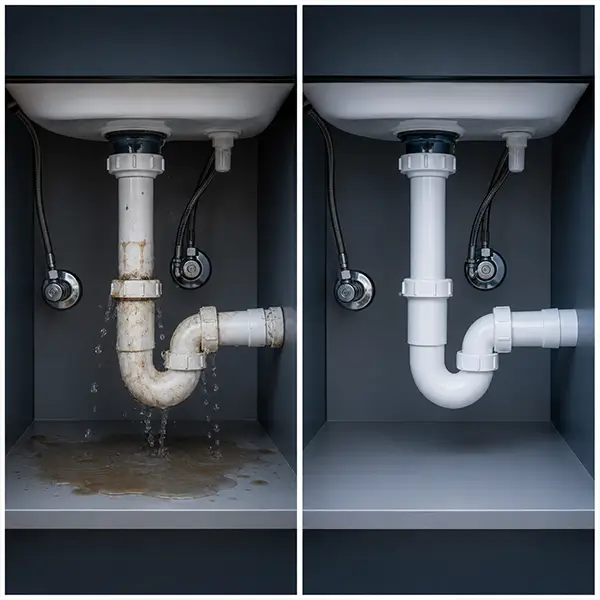
A sudden spike in your Fort Worth water bill is often caused by a running toilet or a hidden leak in your plumbing system. Because many Tarrant County homes are built on expansive clay soil, underground 'slab leaks' are a common culprit that can waste thousands of gallons without being visible. We recommend checking your water meter while all faucets are off to determine if water is still flowing through your pipes.
Slab leaks are frequent in North Texas due to the 'shrink-swell' nature of our Washita Prairie clay soil which puts pressure on foundation pipes. Warning signs include unexplained warm spots on your flooring, foundation cracks in your walls or ceilings and the sound of running water when no taps are open. If you notice damp carpeting or pooling water near your foundation you should contact a plumber for professional leak detection immediately.
To prevent frozen pipes during extreme Texas cold snaps, you should insulate all exterior hose bibbs and any pipes located in unheated areas like attics or garages. During a hard freeze, let your indoor faucets drip at a slow, steady rate and open cabinet doors under sinks to allow warm air to circulate around the plumbing. Knowing the location of your main water shut-off valve near the street is also critical in case a pipe does burst.
Due to the high mineral content in the local water supply, Fort Worth homeowners should flush their water heaters at least once a year to remove sediment buildup. If left unmaintained this sediment can cause the tank to overheat, lead to 'popping' noises and eventually result in premature tank failure. For tankless water heaters a professional descaling service is recommended annually to prevent mineral scale from damaging the heat exchanger.
In Fort Worth, where summer temperatures regularly exceed 95°F with high humidity it is recommended to have your HVAC system professionally serviced twice a year. A spring tune-up is essential to ensure your system can handle the intense Texas heat while a fall inspection prepares your furnace for sudden North Texas cold snaps. Regular maintenance helps prevent mid-summer breakdowns and keeps energy bills lower by ensuring the unit doesn't overwork during peak humidity months.
Because Fort Worth is built on expansive clay soil, homes are highly susceptible to foundation shifting as the soil expands when wet and contracts when dry. Early warning signs include cracks in interior drywall, doors that no longer latch properly and gaps appearing between window frames and exterior brick. Homeowners should also look for 'stair-step' cracks in the exterior mortar which often indicate significant movement in the North Texas soil.
Yes, maintaining consistent moisture levels in the clay soil around your home is a common practice in Fort Worth to prevent foundation shrinkage during hot, dry summers. Using a soaker hose placed 12 to 18 inches away from the foundation can help keep the soil stable and prevent it from pulling away from the concrete. This practice is most effective when done consistently during July and August when North Texas evaporation rates are at their highest.
Spring thunderstorms in Tarrant County frequently produce large hail that can significantly shorten the lifespan of your roof. Look for 'bruises' or dark spots on asphalt shingles where granules have been knocked away or check for dents in metal roof vents and gutters. If you notice significant granule loss in your downspouts after a storm it is highly advisable to get a professional inspection, as even small impacts can lead to leaks over time.
Yes, Fort Worth has moderately hard water rich in minerals like calcium and magnesium which often leads to significant limescale buildup inside your pipes. This mineral scale creates a rough internal surface that snags hair, soap scum and grease making your drains more susceptible to frequent clogs. Professional drain cleaning is highly effective at removing this scale and restoring the full diameter of your pipes which is a common necessity for North Texas homeowners.
The expansive clay soil found across Fort Worth, particularly the Blackland Prairie variety shifts significantly during the transition between wet and dry Texas seasons. This constant movement can cause underground sewer lines to crack, sag or develop 'bellies' where waste and debris collect rather than flowing through. If you notice recurring clogs it may be a sign that the soil movement has physically compromised your home's drainage infrastructure requiring a professional inspection.
In established Fort Worth neighborhoods like Fairmount or Mistletoe Heights, the roots of large oak and pecan trees are a primary cause of sewer line blockages. These roots are naturally attracted to the moisture and nutrients inside your pipes and can enter through tiny cracks caused by shifting Texas soil. Once inside they grow rapidly creating a dense web that traps waste and eventually leads to a complete line failure that only professional mechanical or chemical cleaning can resolve.
Professional plumbers in Fort Worth generally advise against using harsh chemical drain cleaners because they can damage your pipes and the environment. In older Fort Worth homes with cast iron or galvanized steel pipes these corrosive chemicals can actually eat through the pipe walls, leading to leaks and the need for expensive repiping. For a safer and more effective solution, use a plunger or an enzymatic cleaner or contact a professional for a mechanical cleaning that won't harm your plumbing.
These sounds are typically caused by sediment buildup at the bottom of the tank, a common issue in Fort Worth due to our moderately hard water averaging 202 ppm. As minerals like calcium and magnesium settle they trap steam bubbles against the heating element which eventually 'pop' through the sediment layer. To resolve this and prevent tank damage a professional flush is recommended to remove the mineral scale and restore quiet operation.
The high mineral content in North Texas water accelerates scale formation which can reduce a standard tank's lifespan to 8–10 years compared to the national average of 12 years. This scale acts as an insulator, forcing the unit to work harder and run longer to reach the desired temperature, eventually leading to tank overheating and metal fatigue. Installing a water softener or scheduling bi-annual maintenance is the best way to combat these local water quality challenges.
Because Fort Worth water is considered 'very hard' by many standards most local experts recommend flushing your water heater tank twice a year rather than the standard annual recommendation. Regular flushing prevents the heavy sediment from North Texas municipal sources from solidifying into a thick 'crust' at the bottom of your tank. This proactive maintenance keeps your energy bills lower and prevents the premature failure of the bottom heating element or burner.
In the Fort Worth area, a water heater over 10 years old is often nearing the end of its reliable life due to the cumulative effects of mineral corrosion. If the repair cost exceeds 50% of a new unit's price or if the tank itself is leaking, replacement is usually the more cost-effective long term choice. However, if the issue is a simple component like a pilot light or a valve, a repair can successfully extend the life of a well maintained unit by several years.
The average cost for water heater installation in Fort Worth typically ranges from $1,200 to $3,500 depending on the unit type and labor. Factors like local permit fees and necessary code upgrades for older North Texas homes can influence the final price. It is best to get a local estimate to account for specific venting or piping requirements in your specific neighborhood.
A standard water heater replacement in a Fort Worth home typically takes between two to four hours to complete. If you are switching from a tank to a tankless system the process may take a full day due to the need for new venting and gas line modifications. Professional installers ensure the area is cleaned and the old unit is hauled away for proper recycling.
In Fort Worth, local plumbing codes often require the installation of a thermal expansion tank if you have a closed-loop plumbing system. This small tank sits above your water heater and absorbs excess pressure created when water expands as it heats up. Without it the constant pressure fluctuations can damage your pipes and significantly shorten the lifespan of your new water heater.
Many Fort Worth plumbing companies offer 24/7 emergency water heater installation because a leaking tank can cause immediate structural damage. If your heater fails during a North Texas freeze or a holiday weekend specialized teams are available to restore your hot water quickly. It is vital to know where your main water shut off valve is located to prevent flooding while waiting for a technician.
The average cost to install a tankless water heater in Fort Worth typically ranges from $3,500 to $6,500 depending on the unit's capacity and fuel source. This price often includes necessary upgrades like larger gas lines or new venting systems required by local building codes. Investing in a professional installation ensures your system meets City of Fort Worth safety standards and maximizes long-term energy savings.
Because Fort Worth is known for having some of the hardest water in Texas, a water softener or scale inhibitor is strongly recommended for tankless systems. High mineral content leads to rapid scale buildup in the heat exchanger which can significantly decrease efficiency and cause premature failure. Installing a filtration system alongside your heater protects your investment and ensures the unit reaches its full 20-year lifespan.
Most modern tankless units installed in Fort Worth feature built-in freeze protection but this requires a continuous supply of electricity and gas to function. During extreme events like the 2021 Texas freeze units installed on exterior walls are at higher risk if power is lost for extended periods. Local experts recommend using heat tape on exposed pipes and choosing indoor installations when possible to prevent freezing damage.
With proper maintenance and water treatment to combat local hard water, a tankless water heater in Fort Worth can last between 15 and 20 years. This is nearly double the lifespan of a traditional tank water heater which typically lasts only 8 to 12 years in this region. The extended longevity makes tankless systems a superior long term investment for homeowners planning to stay in their property.
Yes, Fort Worth’s rapid transitions from summer heat to winter freezes put significant stress on both indoor and outdoor plumbing. During winter 'Arctic blasts,' water in exposed pipes can freeze and expand, leading to bursts while summer droughts cause the ground to pull away from foundations stressing service lines. Professional leak detection is often necessary after these extreme weather events to ensure no new fractures have formed in the system.
On average professional leak detection services in Fort Worth range from $150 to $500 depending on the complexity and the technology used. Basic acoustic or thermal imaging for indoor leaks usually falls on the lower end while locating underground or under-slab leaks may require more labor intensive methods. Investing in detection early is cost effective as it prevents the high expenses associated with water damage restoration and foundation repair.
Locate your water meter box, usually found near the street and ensure all water-using appliances and faucets in your home are turned off. Check the meter for a small red or silver 'leak indicator' triangle or a digital flow display if it is spinning or showing a positive flow rate, water is moving somewhere in your system. For digital MyH2O meters a flashing faucet icon often indicates that a leak has been detected over the last 24 hour period.
In the hot Fort Worth climate an irrigation leak is often signaled by unusually lush, green patches of grass or soggy areas in your lawn despite no recent rainfall. You might also notice a drop in water pressure at your sprinkler heads or see water bubbling up from the ground when the system is running. Because Tarrant County has strict water conservation stages fixing these leaks is essential to avoid potential city fines and excessive water waste.
Trenchless sewer repair such as lining or pipe bursting, allows Fort Worth residents to fix their lines without digging up beautiful landscaping, driveways or established Live Oak trees. This method is often faster usually completed in one to two days and avoids the massive mess associated with traditional trenching. It is particularly beneficial for older Fort Worth neighborhoods where mature trees and historic yards are common features that homeowners want to preserve.
Pipe bursting is a trenchless replacement method where a large bursting head is pulled through your existing damaged sewer line breaking it apart while simultaneously pulling a new seamless pipe into its place. This technology is widely available in Fort Worth and is highly effective for replacing collapsed lines without the need for a full length trench. It provides a durable leak-proof solution that is resistant to both root intrusion and the shifting movements of local clay soils.
To prevent damage, avoid flushing 'flushable' wipes, grease or harsh chemicals that can corrode pipes or cause massive clogs. During North Texas droughts consider 'watering' your foundation to keep the clay soil stable and prevent the ground from pulling your pipes apart. Additionally annual inspections are a proactive way for Fort Worth homeowners to catch minor root intrusions before they turn into costly emergency repairs.
Heavy rain can cause 'Infiltration and Inflow where rainwater enters the sanitary sewer system through cracks or faulty joints in private lines or city mains. This excess water can overwhelm your home's drainage capacity leading to sewage backups during intense North Texas thunderstorms. If your drains only back up when it rains it's a strong indicator that your sewer line has structural gaps that are allowing groundwater to enter the system.
Gurgling sounds usually indicate a venting problem where air is being trapped in the pipes often caused by a blockage in the plumbing stack on your roof. In Fort Worth, debris from live oak trees or even bird nests can clog these vents forcing air through your toilet's trap. A professional plumber can clear the vent stack or check for a partial blockage in the main line to stop the noise and prevent sewer gases from entering your home.
A persistent sewer gas smell is a classic sign that the wax ring seal beneath your toilet has failed allowing gases from the Tarrant County sewer system to bypass the water trap. Even if you don't see water leaking, the airtight seal may be compromised due to age or loose closet bolts. Replacing the wax ring and ensuring the toilet is securely bolted to the floor will typically eliminate the odor immediately.
The first step is to reach behind the toilet and turn the silver shut-off valve clockwise to stop the flow of water into the tank. If the valve is stuck a common issue with older Fort Worth plumbing you can lift the tank lid and manually push the flapper down or hold the float cup up. Once the water stops you can safely use a plunger or call a 24/7 emergency plumber to clear the blockage.
Orange or rust colored stains are usually caused by high iron content or sediment in the local water supply while blue green stains often indicate slightly acidic water reacting with copper pipes. For Fort Worth residents we recommend using a citric acid-based cleaner or a pumice stone designed for porcelain to gently scrub away these mineral deposits. Avoid using harsh bleach tablets in the tank, as they can damage the rubber seals and cause leaks.
To follow local 'Cease the Grease' guidelines in Fort Worth you should never pour fats, oils or grease down the disposal as they solidify and cause massive blockages in city sewer lines. Additionally avoid starchy foods like pasta, rice and potato peels which turn into a thick paste that can easily clog the older plumbing found in historic Fort Worth districts. Fibrous materials like corn husks and celery should also be discarded in the trash to protect your disposal's blades.
It is highly discouraged to use harsh chemical drain cleaners in your garbage disposal as they can corrode the metal components and damage the internal seals. These chemicals often get trapped in the disposal's grinding chamber posing a safety risk to any plumber who must later disassemble the unit. Instead, try using a mixture of baking soda and vinegar or call a Fort Worth professional to safely clear the blockage mechanically.
The intense heat in Fort Worth can accelerate the decomposition of food particles trapped in the splash guard or on the grinding plate leading to foul odors. To combat this, regularly grind ice cubes and lemon peels to scrub the blades and provide a fresh scent. If the smell persists it may indicate a deep clog in the drain line that requires professional hydro jetting to fully remove the organic buildup.
The primary risk of DIY repair is the combination of electricity and water, which can be fatal if the power is not correctly disconnected. Many Fort Worth homeowners also accidentally damage the sink flange or the dishwasher inlet during DIY attempts leading to secondary leaks. Professional plumbers have the specialized tools and experience to resolve issues safely while ensuring the unit remains compliant with local plumbing codes.
The expansive clay soil in the Fort Worth area frequently shifts during the extreme cycles of rain and drought common in North Texas. This ground movement puts immense stress on rigid plumbing materials like cast iron or old copper, often leading to slab leaks or cracked main lines. During a repipe, professionals often recommend flexible materials like which can better withstand these minor soil shifts without fracturing.
For an average-sized home in Fort Worth, a professional repiping project usually takes between three to five days to finish. The process includes the initial installation of new lines, the disconnection of the old system and the necessary city inspections. Most reputable local plumbers will ensure that your water service is restored at the end of each workday so your family is not left without essential facilities overnight.
Most homeowners in Fort Worth choose to stay in their homes while the repiping is performed as the work is typically localized to specific areas each day. Plumbers generally work in sections meaning you will only lose water access for a few hours at a time during the day. However you should prepare for some noise and the presence of dust as contractors may need to create small access points in your drywall.
Yes, a whole-house repipe will significantly improve your water pressure if your current system is clogged with rust or mineral scale. By replacing narrow, corroded pipes with new, smooth walled or copper water can flow freely to all fixtures in your home simultaneously. Many residents in older Fort Worth suburbs notice an immediate difference in shower performance and appliance efficiency after the upgrade.
Fort Worth plumber repairing residential plumbing equipment
Professional plumber inspecting a plumbing system in Fort Worth Texas
Professional Service Trusted Local Plumbers
About Fort Worth Plumber TX

Dependable plumbing expertise for your home or business

Fort Worth Plumber TX provides professional plumbing solutions designed to keep your property safe, comfortable, and operating efficiently. Our experienced team handles plumbing repairs, maintenance, and installation services throughout Fort Worth, Texas.

We carefully inspect each plumbing system, explain the available options, and complete every service with dependable workmanship and attention to detail.

  • Residential and commercial plumbing
  • Leak detection and plumbing repair
  • Drain and water heater services
Local Plumbing
Expertise
Our Plumbing Services

Reliable Plumbing Solutions for Every Fort Worth Property

Emergency Plumbing
Drain Cleaning
Water Heater Service
Leak Detection
How Our Plumbing Service Works

A Simple Process for Reliable Plumbing Service

Fort Worth Plumber TX makes scheduling plumbing service straightforward from your first call through the final inspection.

01
Contact Our Team

Call Fort Worth Plumber TX and tell us about the plumbing issue affecting your home or business.

02
Schedule Your Service

We arrange a convenient appointment and provide same-day service when scheduling and technician availability allow.

03
Inspect the Plumbing System

Our technician evaluates the problem, identifies the cause and explains the recommended repair options.

04
Complete the Repair

We complete the approved plumbing work and inspect the system to confirm dependable operation.

Plumbing Coupons

Save on Your Next Plumbing Service

Explore our current Fort Worth plumbing offers and click any coupon to view the printable version in a new tab.

Coupon Information

Present your coupon before service begins. Offers cannot be combined with other discounts and may be subject to service requirements.

817-476-0967
Our Plumbing Services

Complete Plumbing Solutions in Fort Worth, TX

From urgent plumbing repairs to complete water heater and repiping solutions, Fort Worth Plumber TX provides dependable service for local homes and businesses.

Water Heater Brands We Service

Our experienced technicians service many of the leading water heater brands used in Fort Worth homes and businesses.


Navien water heater brand logo serviced by Fort Worth Plumber TX
Noritz water heater brand logo serviced by Fort Worth Plumber TX
Reliance water heater brand logo serviced by Fort Worth Plumber TX
Rheem water heater brand logo serviced by Fort Worth Plumber TX
Richmond water heater brand logo serviced by Fort Worth Plumber TX
Rinnai water heater brand logo serviced by Fort Worth Plumber TX
Takagi water heater brand logo serviced by Fort Worth Plumber TX
Whirlpool water heater brand logo serviced by Fort Worth Plumber TX
American Water Heaters brand logo serviced by Fort Worth Plumber TX
American Standard water heater brand logo serviced by Fort Worth Plumber TX
A. O. Smith water heater brand logo serviced by Fort Worth Plumber TX
Bosch water heater brand logo serviced by Fort Worth Plumber TX
Bradford White water heater brand logo serviced by Fort Worth Plumber TX
General Electric water heater brand logo serviced by Fort Worth Plumber TX
Kenmore water heater brand logo serviced by Fort Worth Plumber TX
Our Service Areas

Plumbing Services Across Fort Worth and Nearby Cities

Fort Worth Plumber TX provides dependable residential and commercial plumbing services throughout Fort Worth and surrounding Tarrant County communities.

Local Fort Worth Plumbing Coverage Professional Service Near Your Home or Business

We provide professional plumbing services throughout Fort Worth, TX, including ZIP codes 76102, 76103, 76104, 76105, 76106, 76107, 76108, 76109, 76110, 76111, 76112, 76114, 76115, 76116, 76119, 76120, 76123, 76131, 76132, 76133, 76134, 76135, 76137, 76140, 76148, 76177 and 76179. We also serve Haltom City, Richland Hills, White Settlement, Saginaw, Forest Hill, North Richland Hills, Watauga, Benbrook, Hurst, Crowley, Bedford, Arlington, Colleyville, Keller and Burleson.

Haltom City
Richland Hills
White Settlement
Saginaw
Forest Hill
North Richland Hills
Watauga
Benbrook
Hurst
Crowley
Bedford
Arlington
Colleyville
Keller
Burleson
Fort Worth Plumber TX 3851 Airport Fwy, Fort Worth, TX 76111
Local Plumbing Coverage Same-Day Service Available
Request Plumbing Service

Schedule Plumbing Service in Fort Worth, TX

Tell us about your plumbing problem and choose your preferred appointment date. Our team will contact you to confirm your service request.

Plumbing Service Request Form

Complete the form below and our team will contact you to confirm your plumbing service details and preferred appointment.

Request Plumbing Service From Fort Worth Plumber TX
Preferred Appointment

Select your preferred plumbing service date and time.

up